Instagram Audio Downloader vs Screen Recording: What’s Actually Better?
There are two types of Instagram people.
The ones who just tap “Save audio” and never use it again, and the ones who are quietly building their own sound library like it’s a secret superpower.
Here at Hivepye Teams, we live with the second group the “please just let me download this properly without turning my phone into a billboard” people.
And those people keep asking the same thing: do you really need an Instagram audio downloader, or is screen recording enough?
You’ve seen all the tutorials: “Just screen record!” “Just paste the link into a downloader!”
Nobody tells you when each one makes sense, how the quality actually compares, or how close you are skating to copyright trouble when you start mixing downloaded sounds into your content.youtuberecorder.itopvpn+4
THE THING NOBODY ACTUALLY SAYS OUT LOUD
Let’s say it straight: most people are not comparing “Instagram audio downloader vs screen recording” like some scientific experiment.
They’re lying on their bed at 1:30 AM, scrolling reels, and they just hit the limit of “this song is too good to leave trapped inside this one video.”
When you actually use both methods, you realise this conversation isn’t about tech.
It’s about what kind of creator you are.
If you’re the “quick and dirty” type, screen recording feels natural.
Swipe, tap the screen record button, play the reel, stop recording. Done. Your phone’s gallery has a video with the sound baked in.flexclipyoutubepcmagyoutube+1
If you’re the “I care how this sounds in headphones” type, audio downloaders suddenly look much better.
They don’t record your notifications, don’t capture room noise, and don’t punish you because you forgot to turn Do Not Disturb on before recording.recorder.itopvpn+2youtube
Here’s the part nobody says out loud:
Screen recording is a workaround, not a proper workflow. It’s what you do when you don’t feel like dealing with links or websites, and you accept the trade-off of slightly worse audio and extra cleanup.pcmagyoutube+1recorder.itopvpn+1
Audio downloaders, on the other hand, exist because creators got tired of being stuck inside apps.
Tools like Reelsave Audio, web-based recorders, or dedicated audio recorders on desktop are built for people who know they’ll reuse the sound, edit it, trim it, and bring it into real software.fastvideosave+1youtuberecorder.itopvpn
Nobody admits this, but half the “screen recording vs downloader” debate is just laziness vs control.
Pop culture reference time:
This is the same energy as ripping a song off YouTube with a sketchy converter vs paying for Spotify and downloading high-quality tracks.
Both “work,” but only one makes sense once you care even a little bit about quality and sanity.reddit+2
And yes, copyright is sitting in the corner watching all this.
Instagram itself says the safest way to avoid copyright problems is to only post content you created or have rights to. That applies whether you grabbed the sound through a downloader or screen recorded it at 2 AM.soundstripe+2
If you’re treating both methods like zero-risk hacks, you’re not being clever you’re just postponing the moment your audio gets muted.
HOW THIS ACTUALLY WORKS THE REAL MECHANICS
Let’s break both methods down like an editor who has actually tried them more than once.
What an Instagram audio downloader really does
When you use an Instagram audio downloader (Reelsave Audio style), you’re not hacking Instagram.
You’re feeding the reel URL into a tool that fetches the video, strips out the audio track, and gives you an MP3 or audio file.reelsaveyoutuberecorder.itopvpn+1
Typical flow:
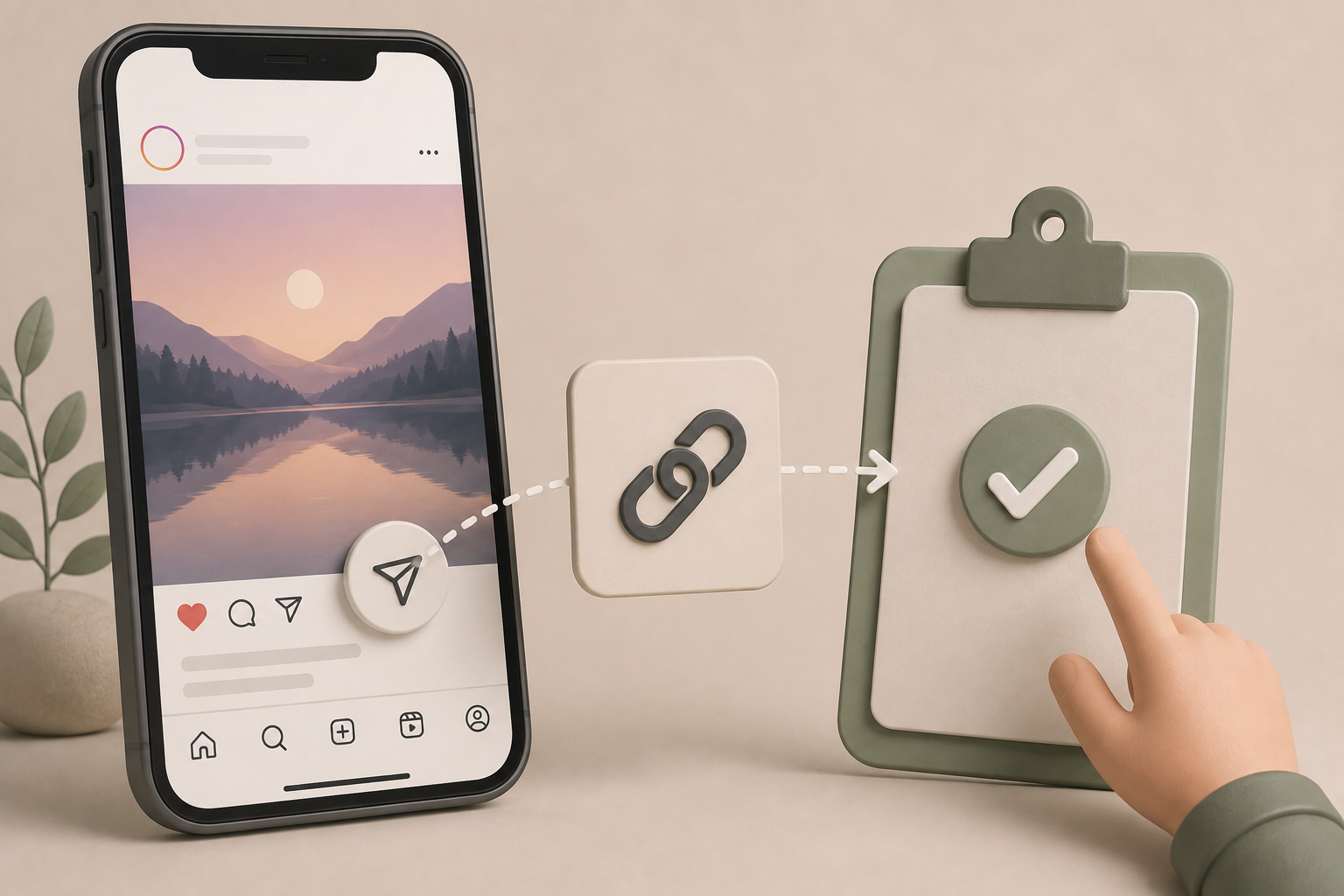
- Copy the link from the reel or post (paper-plane icon or three dots → “Copy link”).youtuberecorder.itopvpn
- Paste the link into a downloader site or app.
- The tool analyzes the post, extracts audio, and shows a “Download audio” button.recorder.itopvpnyoutube
- You get a clean audio file to save, rename, and drop into your editor.
No screen recording overlays, no notification pings, no accidental breathing noises in the background.
Just the audio as Instagram is streaming it.youtuberecorder.itopvpn
What screen recording actually does
Screen recording is simpler, but messier.
You turn on your phone or desktop recorder, play the reel, and record the entire screen with system audio.youtubeflexclip+1youtube
Flow looks like this:
- Open the reel or sound you want inside Instagram.
- Turn on screen recording (Control Center on iPhone, quick toggles on Android, recording apps on desktop).flexclip+1youtube
- Play the reel while recording.
- Stop recording; the clip lands in your gallery or videos.
- Extract the audio in your editor, or sometimes with a separate app.recorder.itopvpnyoutube
If you’re careful, you can get decent audio.
If you’re not, you’ll capture system noises, microphone sounds, notification dings, or the reel stuttering if your internet lags.pcmagyoutubeflexclip+1
Here’s the niche angle most generic guides ignore:
Screen recording can capture not just Instagram’s audio, but also your spoken commentary or reactions if you turn the mic on which is gold if you’re making tutorials, breakdowns, or reaction content.screenapp+2
Audio downloaders can’t do that.
They only pull the original audio track no live reaction, no “here’s why this sound works” voice-over.fastvideosave+1youtuberecorder.itopvpn
So, you’re not comparing “good vs bad.”
You’re comparing “clean audio vs live capture.”
Short list with real opinions:
- Audio downloaders: Best when you want clean, reusable sound for editing, music, or background tracks. Feels professional.reelsave+1youtuberecorder.itopvpn
- Screen recording on phone: Best for quick grabs and lazy sessions, but you pay in cleanup and potential noise.youtubeflexclip+1youtube
- Screen recording on desktop: Great if you’re already editing there and want everything in one place, especially for live streams or Instagram Live.screenapp+1
- Pure audio recorders (desktop/mobile): These sit between both they record system audio only, which is neat but still less direct than a true downloader.recorder.itopvpn
Real observation: once you start editing repeatedly, you stop wanting “video with sound” and start wanting “sound I can control.”
That’s when audio downloaders stop being optional and start feeling like the correct tool.youtuberecorder.itopvpn
COMPARISON WHAT'S ACTUALLY DIFFERENT BETWEEN YOUR OPTIONS
| Option | What it actually does | Who it's for | The catch |
| Instagram audio downloader | Extracts audio from reels/posts via link and saves as MP3/audio | Creators who edit outside Instagram, care about quality | Needs copy–paste flow; depends on third-party tools working youtuberecorder.itopvpn |
| Phone screen recording | Records full screen with audio while reel plays | Casual users, quick saves, “lazy but works” people | Captures noise/notifications; needs extra step to extract audio youtubeflexclip+1youtube |
| Desktop screen/audio recorder | Records Instagram audio/video from browser (sometimes audio-only) | Editors who live on PC/Mac, streamers | Software setup, bigger files, real-time recording only recorder.itopvpn+1 |
My take: use audio downloaders as your default when you care about clean sound, and keep screen recording as your backup for weird cases (stories, lives, or audio that downloaders can’t grab).flexclip+1youtuberecorder.itopvpn
If you’re editing regularly, leaning only on screen recording is like doing all your video work in the Notes app. Technically possible. Emotionally exhausting.
WHAT ACTUALLY HAPPENS WHEN YOU TRY THIS
Here’s how this plays out in real life when you’re not pretending to be a tutorial robot.
You’re scrolling Instagram.
You find a reel with a sound you want for a YouTube Short, a TikTok, and maybe a long-form video intro.
First attempt: screen recording.
You swipe down, tap the screen record icon on your iPhone or Android, and start recording while the reel plays.pcmagyoutubeflexclip
Halfway through, a WhatsApp notification slides in at the top, because of course it does.
Now that audio track you wanted has a subtle notification ding baked into the waveform.
You sigh, do it again, this time after toggling Do Not Disturb.
Recording is clean, no pop-ups, no stuttering. Good enough.
Then reality hits.
You open your editor and now you have a video file. You extract the audio, trim the silence at start and end, and boost the levels because phone recordings often sit lower than direct audio.recorder.itopvpn
Second attempt: using an audio downloader.
You copy the reel link, paste it into Reelsave Audio or a similar site, and click “Download audio.”youtuberecorder.itopvpn
No real-time recording. No second takes. The file lands as an MP3 in your downloads folder.
You drop it into your timeline and notice the difference there’s no background noise, no room echo, and the waveform looks cleaner.youtuberecorder.itopvpn
What surprised me the first time I took both seriously:
Screen recording feels faster, but when you add trimming, audio extraction, and cleanup, the total time is usually longer than just pasting a link once you’re used to downloaders.flexclip+2youtube
One pattern articles almost never mention:
Desktop tools are quietly the most powerful middle ground.
A screen/audio recorder on PC (like those that let you record “system audio only”) can capture Instagram sound directly from your browser with better control formats, bitrates, even noise reduction after recording.screenapp+1
When you actually try this for a week:
- Day 1–2: you screen record everything because it feels “easier.”
- Day 3–4: you realise you’re wasting time trimming video files just to get audio.
- Day 5–7: you switch to audio downloaders for most reels, and only use screen recording for live streams, stories, or weird cases that tools don’t support.screenapp+2youtube
What nobody warns you about:
Once you get comfortable with downloaders, your content stops depending on Instagram’s UI.
You start thinking like a real editor audio is a resource, not a thing tied to one reel. And from there, screen recording feels more like a rescue tool than a primary method.foximusic+1youtube
THE ADVICE EVERYONE GIVES VS WHAT ACTUALLY WORKS
Let’s tear into the standard advice on this topic.
Advice #1: “Just screen record, it’s easier.”
This is true only if you’re doing it once in a while and don’t care about quality.
Screen recording is literally recording playback if your internet lags, if the reel hiccups, or if you forget to mute notifications, all of that ends up in your audio.youtubepcmag+2
What actually works: screen record when you have to Instagram Live, stories, audio downloaders failing and use dedicated audio downloaders for everything else you plan to reuse or publish widely.screenapp+1youtube
Advice #2: “Use any downloader site, they’re all the same.”
They’re absolutely not.
Some tools simply convert the reel to audio; others flood you with fake buttons and slow servers. The better ones let you grab audio quickly with minimal ads and support basic formats like MP3.fastvideosave+2youtube
What actually works: pick 2–3 stable tools (like Reelsave Audio or similar sites highlighted in current guides) and stick to them. Bookmark them, test them, and replace them only if they break.reelsave+2youtube
Advice #3: “Legal risk is the same for both, so don’t worry.”
Copyright doesn’t care how you got the audio; it cares how you use it.
Using copyrighted music on Instagram without permission can get your videos muted, removed, or even affect your account health.instagram+2
What actually works:
- Treat downloaded or recorded audio as “higher risk” if it’s a full song or easily recognizable track.
- Prefer Instagram’s royalty-free/business music library, licensed tracks, or royalty-free sources for content you care about long-term.sprintlawyoutubesoundstripe+1
Advice #4: “Downloaders give better quality, end of story.”
They usually do, because they pull audio directly instead of recording playback.recorder.itopvpnyoutube
But screen recording on desktop with proper system audio capture can get very close, and sometimes you want that because you’re recording live context (like Instagram Live with comments visible).screenapp+1
What actually works: decide based on use case, not internet debates.
Music or background audio for edited videos? Downloader.
Live sessions, stories, reactive content where context matters? Screen recording, preferably on a stable device with good settings.flexclipyoutuberecorder.itopvpn+1
Advice #5: “Once you pick one method, stick to it forever.”
That’s just lazy thinking.
Real creators mix methods all the time: downloaders for clean sound, phone recording for quick saves, desktop recording for long sessions and live commentary.flexclipyoutuberecorder.itopvpn+1
What actually works: build a simple rule for yourself “If I only need the sound, I’ll download. If I need sound plus screen context or live vibes, I’ll record.” Then follow it without overthinking.
THE PRACTICAL PART WHAT TO ACTUALLY DO
Here’s how to turn this into a working system instead of random hacks.
1. Decide your “main method” based on how often you edit.
If you edit weekly or more, make audio downloaders your default and treat screen recording as backup. That keeps your workflow clean and your audio consistent.youtuberecorder.itopvpn
If you rarely edit and just want occasional sounds, you can survive on screen recording with basic cleanup.
2.Set up 2–3 reliable audio downloaders and bookmark them.
Pick tools covered in current guides that support Instagram reels audio via link for example, Reelsave Audio or similar sites.fastvideosave+2youtube
Bookmark them in your browser on both phone and desktop. Now every time you find a reel you like, it’s copy link → paste → download, no hunting.
3. Configure clean screen recording on your phone or desktop.
On iPhone, add Screen Recording to Control Center and learn to toggle mic on/off and manage sound.pcmag
On Android, test your screen recorder to make sure it captures internal audio, not just mic; on desktop, set system-audio recording in tools like iTop Screen Recorder or similar.recorder.itopvpn+2
Do one test run so you know how the audio actually sounds before using it for real content.
4. Build one central “Instagram Audio” folder and stick to it.
Whether it’s on your phone, Google Drive, iCloud, or your PC, keep one folder for all saved sounds downloaded and recorded.
Rename files with clear names: artist_trend_month.mp3 or meme_sound_angry_cat.wav. You don’t want to guess later.recorder.itopvpn
5. Separate “fun experiments” from serious content.
For casual reels and stories where you don’t care if something gets muted, you can take more risks with downloaded or recorded audio.
For paid work, brand collabs, or anything tied to your business, stick to royalty-free libraries, licensed tracks, or Instagram’s safer business music options.soundstripe+3
6. Periodically check your methods against new platform rules.
Instagram’s copyright enforcement, recommended music options, and even downloader tools change over time.foximusic+1
Every few months, re-test your main tools, check if your screen recorder still works with internal audio, and read a current copyright guide before using trending tracks heavily.foximusic+1
7. Create a simple decision rule and write it down.
Something like: “If I only need audio, I download. If I need screen + audio + live context, I record.”
Once you’ve written that for yourself, you’ll stop overthinking every single reel and just follow the system.screenappyoutuberecorder.itopvpn
QUESTIONS PEOPLE ACTUALLY ASK
Is an Instagram audio downloader better than screen recording?
For clean, reusable sound, yes audio downloaders are usually better because they pull the audio track directly instead of re-recording playback.youtuberecorder.itopvpn
This avoids noise, notifications, and playback glitches.
Screen recording is still useful, but more for quick grabs and special cases like lives or stories.pcmag+2
Does screen recording capture Instagram audio with good quality?
It captures whatever your device plays, which can be good if your internet is stable and notifications are quiet.youtubepcmag+1
But because it’s real-time, any lag, background noise (if mic is on), or pop-up can affect the sound.recorder.itopvpn
Downloaders don’t have that problem because they work from the source file, not a live recording.youtuberecorder.itopvpn
How do I screen record Instagram with sound on iPhone?
You add Screen Recording to Control Center in Settings, then start recording from Control Center before playing the reel or story.pcmag+1
You can long-press the record button to turn the microphone on or off, depending on whether you want system audio only or your voice too.pcmag
Once done, the recording saves to Photos, where you can trim or export it into an editor.
How can I record Instagram audio on Android?
Most modern Android phones have a built-in screen recorder in quick settings, and many third-party apps can capture system audio as well.youtubeflexclip+1
You enable the recorder, make sure audio capture is turned on, and then play the reel you want to capture.
After that, you stop recording and extract the audio from the saved video using an editor or converter app.recorder.itopvpn
Are Instagram audio downloaders safe to use?
Safety depends on the specific site or app.
Tools covered in recent guides usually just convert the reel into audio when you paste a link, but some sites use heavy ads and fake buttons.reelsave+1youtuberecorder.itopvpn
Stick to a few trusted tools, avoid anything that forces you to install extra software just to get one file, and always ignore big banner “download” ads in favour of the actual function buttons.
Can I legally use downloaded or screen recorded Instagram audio in my posts?
Legally, the safest option is always to use music you created or have rights to, or music that’s clearly licensed for social use.instagram+2
Using copyrighted songs without permission can get your videos muted or removed, even if you grabbed them via downloader or screen recorder.soundstripe+1
For low-risk content, many creators stick to royalty-free libraries or Instagram’s business-safe music options.sprintlaw+1
When should I choose screen recording instead of using a downloader?
Use screen recording when you need more than just the sound like capturing Instagram Live, stories, or the exact visual context with comments and reactions.flexclip+1
It’s also handy when downloaders can’t process a specific link or when you’re dealing with private or time-limited content.screenapp+1
For regular reels and static posts, downloaders are faster and cleaner.youtuberecorder.itopvpn
Do desktop screen recorders work better than phone recording for Instagram?
Desktop recorders often give more control: you can choose system audio only, adjust bitrate, and manage file formats.screenapp+1
If you’re already editing on a computer, recording Instagram from the browser can be efficient, especially for long sessions or live events.
But for fast one-off grabs, phone recording still wins on convenience.flexclip+1
What’s the best workflow if I create content across Instagram, TikTok, and YouTube?
Use audio downloaders to grab clean sound from reels, then store it in a central audio folder that you reuse across platforms.youtuberecorder.itopvpn
Combine that with royalty-free and licensed music so you’re not relying only on random reel sounds for serious content.sprintlaw+2
Screen recording stays as your side tool for live or temporary content that you can’t easily download.screenapp+1
SO WHERE DOES THIS LEAVE YOU
You basically have two tools: record what you see, or extract what you hear.
Neither is perfect, both are useful, and pretending one completely replaces the other just makes your life harder.
If you’re the person who edits often, wants clean audio, and cares how your content sounds, Instagram audio downloaders should be your default.recorder.itopvpnyoutube
If you’re the person who occasionally needs a fast copy of a live, story, or temporary clip, screen recording will save you when downloaders can’t.flexclip+1
The one concrete thing you can do today:
Set up both sides properly bookmark one good audio downloader and configure clean screen recording (with audio) on your main device. Then grab one sound each way and listen to them side by side.pcmag+1youtuberecorder.itopvpn
It won’t make Instagram’s rules any easier and it won’t magically erase copyright risk.
But it will give you control over how you handle audio instead of relying on whatever half-baked trick you saw in a random reel last month.instagram+3
CONCLUSION
You don’t have to pick a “team” here.
You just have to stop pretending both methods are equal.
Screen recording is the emergency exit fast, messy, good enough when you’re tired.
Audio downloaders are the front door cleaner, more repeatable, better if you’re actually building something with your content.youtuberecorder.itopvpn
If you remember nothing else from this whole thing, remember this line:
Use downloaders for sound you care about, and screen recording for moments you’re afraid to lose.