Instagram Thumbnail Download: The Smart Way to Repost, Run Ads & Design Stuff
Here’s the modern creator problem in one sentence: your Reel thumbnails look better than your actual ad creatives. You know it. Your audience knows it. The algorithm definitely knows it.
This site exists for one thing: downloading. Not vibes, not “10 mindset secrets,” just clean ways to get files off platforms and into your workflow videos, photos, and yes, the exact Instagram thumbnail you painstakingly built and then forgot to save. You’re not here to “appreciate the art.” You’re here to grab the art, repurpose it, and ship something that doesn’t look like a rushed last-minute Canva template.toolzin+2
The twist most people miss: Instagram thumbnail download is not just about saving pretty covers. It’s about turning those covers into reposts, ads, and full-blown design systems that actually match your content. That’s where this gets interesting… and where you can also accidentally annoy a lawyer if you’re careless.
THE THING NOBODY ACTUALLY SAYS OUT LOUD
Everyone talks about views, hooks, retention. Almost nobody admits this: half of your scroll-stoppers come from thumbnails, not the video itself. People decide in one second whether they’ll even give you three seconds. That one frame carries more weight than the next 29.
So what do we all secretly do?
- Post a Reel.
- See one thumbnail outperform everything else.
- Immediately want to reuse that exact frame everywhere: feed post, story, ad creative, YouTube, even a printed flyer for college fest.
But because Instagram gives you no “export thumbnail” button, people pretend it’s not that serious. They screen-record, screenshot, crop, and then wonder why their designs look a bit… tired. You can tell when something’s been through three rounds of compression.
Here’s the quiet reality: Instagram thumbnails are becoming mini brand assets. They’re not just covers. They’re:
- Ready-made ad images
- Repost visuals
- Content “tiles” for carousels or landing pages
- Quick design references for future campaigns
And there’s this uncomfortable bit: a lot of people want to do that not just with their own thumbnails, but with other creators and brands too. For:
- Fan pages
- Concept moodboards
- Client references (“make it like this, but not exactly this”)
- Mockups in pitch decks
Most polished articles will say “just download and reuse” like copyright doesn’t exist. Reality: Instagram’s own terms say users own their content, and you need permission if you want to properly reuse someone else’s visuals. Reposts and ads are two totally different levels of risk.copyrightlaws+2
Pop culture version: it’s like using a meme inside your college WhatsApp group vs printing it on a T‑shirt and selling it. Inside the group, nobody cares. On a T‑shirt stand, you suddenly care a lot. Same meme. Different context.
So yeah, downloaders are amazing. They let you pull thumbnails in HD without begging anyone, especially tools that don’t even ask for login. But the part no one likes saying out loud is this: use them like a creator, not a content thief. Save thumbnails. Study them. Remix them. But don’t be that person who slaps someone else’s exact thumbnail on an ad and then acts shocked when they get called out.thumbnail-downloader+3
HOW THIS ACTUALLY WORKS THE REAL MECHANICS
Under the hood, Instagram thumbnails are just image files attached to posts, Reels, or videos. When you open a Reel, Instagram loads that cover image first so you have something to look at before the video starts. No magic. Just a normal image that the app hides from your “Save to device” options.instapage
Thumbnail download tools do one simple job:
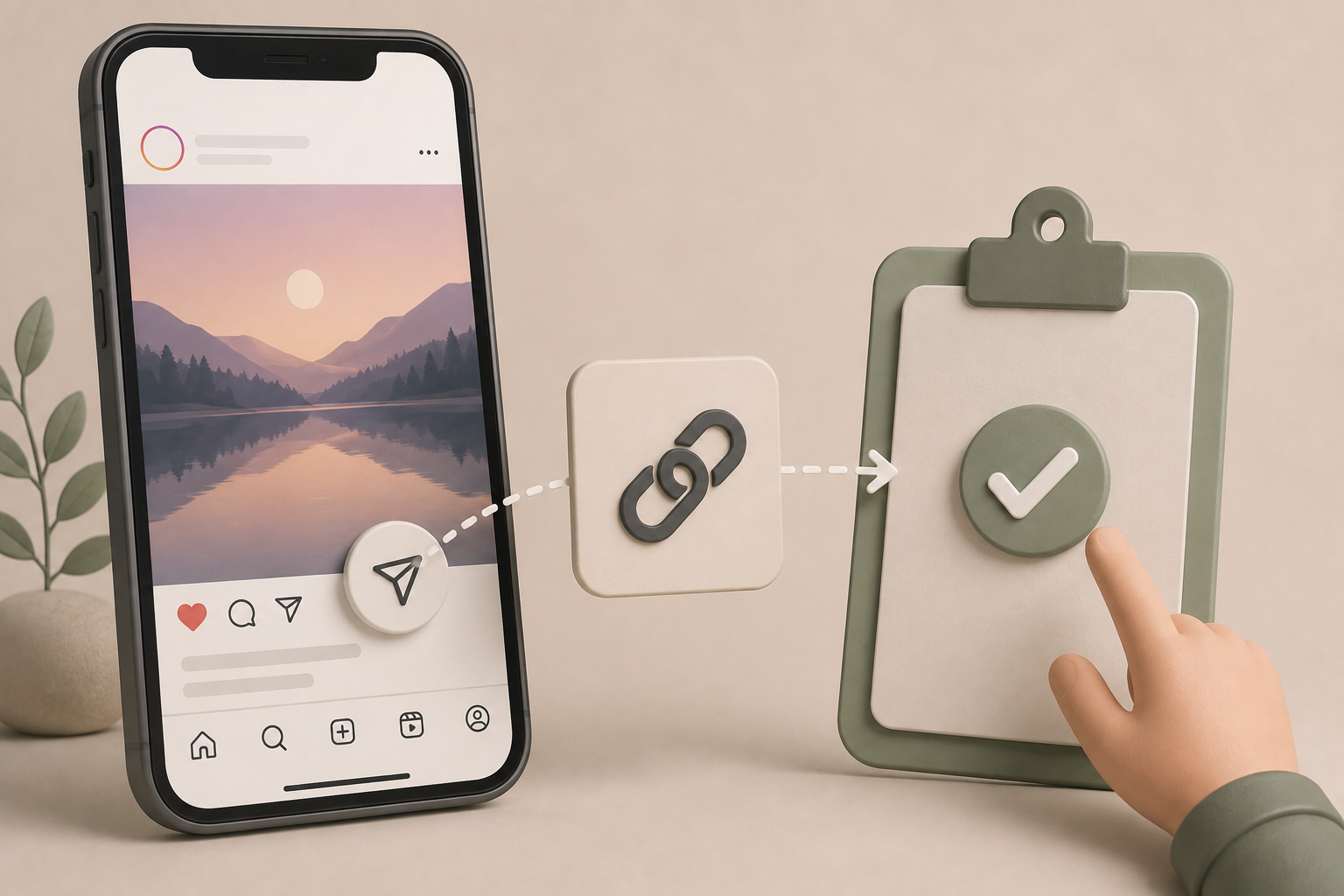
- You copy the Instagram link (post, Reel, video).
- You paste it into the site.
- The site fetches the public page’s HTML or media data.
- It finds the image URL used as the thumbnail.
- It shows you that image and lets you download it, often in HD.fastvideosave+3
Because that thumbnail is part of the public post, you don’t need to log into the downloader. Some tools like FastVideoSave, Toolzin, and similar explicitly advertise that they don’t ask for your login and let you download thumbnails, photos, and Reels in three steps.inflact+3
Now the niche angle nobody explains properly: how those downloaded thumbnails plug into reposts, ads, and design work:
- For reposts
You might be running a fan page, a theme page, or a brand page where you repost user-generated content. The thumbnail gives you a clean visual to use as the main image in a feed post, story, or cover for an IGTV-style clip if you have permission or if you’re resharing via platform tools.adespresso+1 - For ads
A strong thumbnail can easily become an ad creative. You download your own Reel cover, drop it into an ad template, adjust copy, and run it as a sponsored post. The consistency between organic Reel and paid ad makes the whole thing feel native and not obviously “here comes the ad.” - For design systems
Thumbnails are like snapshots of your brand language: fonts, color, framing, vibe. Designers will often download a batch of thumbnails, pin them on a board, and build new graphics that match that energy.canva+2
A bunch of tools sit in this ecosystem:
- Toolzin’s IG downloader lets you pick “thumbnail” after you paste a post link, alongside video, audio, and caption options.toolzin
- FastVideoSave has a dedicated section for photos and thumbnails, with simple “open site → paste link → download” instructions.fastvideosave
- Thumbnail-Downloader-style sites walk you step-by-step through copying the Reel URL and grabbing the cover image on both desktop and mobile.thumbnail-downloader
The key thing: the tool gives you the asset, not the rights. Downloading is about speed and quality. Reposting and running ads is about permission, context, and not pretending the internet is one giant free stock site.copyrightalliance+2
COMPARISON WHAT'S ACTUALLY DIFFERENT BETWEEN YOUR OPTIONS
| Option | What it actually does | Who it's for | The catch |
| Toolzin IG Downloader | Downloads thumbnails, videos, photos, stories, audio from one IG link in 3 steps.toolzin | Creators/marketers who want every asset from a post | More choices on-screen; easy to get distracted if you just need a cover. |
| FastVideoSave (photo/thumb) | Saves photos, carousels, and Reel/video thumbnails quickly and anonymously.fastvideosave | Users who want fast, no-login thumbnails for reuse | Feels more generic downloader than design-focused. |
| Thumbnail-Downloader.com | Focuses on Instagram video/Reel thumbnails with clear step-by-step flow.thumbnail-downloader |
People whose main need is clean HD covers
|
Single-purpose; no extra help with captions or video files. |
| ExpertsPHP / similar tools | Reels downloaders that also pull thumbnails with “no need to login.”expertsphp | Casual users downloading both Reels and their covers | UI can feel old-school; not always optimised for phones. |
| Inflact / Snapinsta style | Full Instagram media suites: Reels, videos, thumbnails, stories, often HD, no login.inflact+1 | Heavy downloaders, agencies, social teams | Some advanced/bulk features sit behind paid tiers |
If your main game is design and ads, go for a tool that gives you HD thumbnails without fuss Thumbnail-Downloader, FastVideoSave, or a thumbnail-focused page on a bigger site. If you’re managing brands or theme pages and need everything (video + caption + cover), an all-in-one like Toolzin or Inflact is worth the extra interface noise.netdna-ssl+6
WHAT ACTUALLY HAPPENS WHEN YOU TRY THIS
Here’s how it goes when you’re not reading a guide but actually trying to turn thumbnails into real assets. You post a Reel. It’s a decent one, but the cover? That thing hits. A few days later the stats prove it higher tap-through, more comments, maybe even saves. So now you want that same frame as:
- A static feed post for people who missed the Reel
- A story graphic teasing “new video just dropped”
- A visual for your next ad campaign
You open Instagram, try to long-press the thumbnail, and realise: there is no “save cover” option. So you do the usual: tap the three dots, hit “Copy link,” and switch to your browser. You paste that link into a thumbnail downloader maybe the one that literally calls itself “Instagram Thumbnail Downloader” or a multi-tool like FastVideoSave or Toolzin.toolzin+2
You hit the button. The image loads. The first thing you notice, once you’ve done this a few times, is how crisp it looks compared to any screenshot you’ve ever taken. No UI. No play icon. No username on top. Just the cover, full-quality, like it’s always been waiting for you outside Instagram’s walls.inflact+2
One thing that surprised me early on: you start treating thumbnails like proper assets once they’re in your files. Suddenly they’re not “just a cover.” You drag them into:
- A Canva canvas for a 4:5 feed post with minimal tweaks
- A 1080×1080 square for a single-image ad
- A wide 1920×1080 banner to use as a YouTube thumbnail or website herocanva+2
You also spot a pattern no one talks about: the Instagram thumbnail you made in panic mode at 1 AM often looks more authentic than the super-polished ad your brain thinks you “should” design. When you reuse that thumbnail as an ad creative, it tends to blend into the feed better. Less “hey this is an ad,” more “oh, another Reel… that I somehow want to click.”
Another pattern: theme pages and fan accounts are quietly running mini studios off downloaded thumbnails. They’ll:
- Grab thumbnails from creators (ideally with permission)
- Use them as cover images for compilation Reels or carousels
- Add their own branding strip or logo in one corner
Suddenly their feed looks cohesive, even though the content sources are mixed.
But there’s the part other how-to articles skip: when you start using thumbnails in ads, you feel the copyright line getting real. For your own posts, it’s simple you made it, use it. For someone else’s post, reusing their cover in a paid ad or branded design without permission stops being “creative repurposing” and starts being “why did you put my face in your ad?”copyrightlaws+1
In practice, most people end up with two stacks on their machine:
- “Mine” full green light to repost, advertise, redesign.
- “Not mine” reference board only. Amazing for moodboards and layout studies, terrible idea to dump straight into Meta Ads Manager.
Once you see how easy it is to get the assets, the real work isn’t “downloading.” It’s deciding which pile a thumbnail belongs to before you click “Publish.”
THE ADVICE EVERYONE GIVES VS WHAT ACTUALLY WORKS
1. “Just screenshot the thumbnail and reuse it.”
You’ll see this everywhere. Long-press the Reel, screenshot at the right timing, crop out the UI. Sure, it works if you’re posting a quick story. But the second you stretch that screenshot for ads, YouTube, or print, the quality falloff is obvious. Blurry text, muddy colors, and a general “exported five times” energy.
What actually works: grab the original thumbnail with a proper downloader so you get the real HD file. Use that as the base for your repost, ad, or design. Same time investment, far better output.netdna-ssl+4
2. “If a post is public, you can use it however you want.”
This is the internet’s favourite lie. Public ≠ free. Instagram’s own copyright-related guidance is clear: the creator owns their content, and brands or pages should ask permission before reusing someone else’s media. Reposting a meme on your story is one thing. Dropping someone else’s thumbnail into a paid ad is another.copyrightalliance+2
What actually works:
- Use downloads of your own thumbnails however you like ads, posters, banners, you’re good.
- For others’ thumbnails, ask permission if you plan to use them in public-facing content, especially commercial pieces.
- When in doubt, treat them as “design inspo,” not “stock images.”
3.“Brands should only use clean, studio-style ad creatives.”
That was 2017. Now, the best-performing ads often look like normal posts: screenshots of tweets, cropped Reels, TikTok frames, Instagram thumbnails turned into square images. If all your creatives look hyper-polished while your organic content looks human, you create a weird disconnect. People scroll past your ads because they look like ads.canva+1
What actually works: lean into your best-performing thumbnails as ad starting points. Download the cover, keep the core visual, and only tweak copy, add a logo, or resize for different placements. You get the authenticity of organic content with just enough structure to sell.
4.“You always need an expensive designer for good ad/brand visuals.”
Designers are great. You should pay them when you can. But pretending you can’t run a decent campaign unless someone opens Figma is just self-sabotage. Thumbnails are mini finished designs you already tested in public via views and engagement.
What actually works: use thumbnail downloaders to build a design library of your own best visuals, then recycle them intelligently:
- Turn one strong thumbnail into a full ad set (square, 4:5, story size).
- Use it as the first frame in a carousel explaining the offer.
- Keep the same visual while testing different headlines and CTAs.
THE PRACTICAL PART WHAT TO ACTUALLY DO
1.Separate “my thumbnails” and “other people’s thumbnails” from day one.
Make two folders: “My IG Thumbnails” and “Inspo Thumbnails.” When you download from tools like FastVideoSave, Thumbnail-Downloader, or Toolzin, save your own covers to the first folder and everyone else’s to the second. This sounds boring, but it saves you from accidentally dropping someone else’s face into a paid ad when you’re moving fast.thumbnail-downloader+3
2. Build a simple download routine for every Reel or video that performs.
Whenever a Reel or post starts performing better than usual, treat its thumbnail like gold. Copy the link, run it through your chosen downloader, save the cover in HD, and rename the file with something sensible like “Hook-Problem-Solution-Offer-Thumbnail.jpg”. Later, when you’re making ads or redesigning your profile, you have a ranked library of “this actually worked” visuals.fastvideosave+3
3.Turn one thumbnail into three ad formats.
Take a downloaded thumbnail into Canva or any editor and create:
- A 1:1 square (1080×1080) for feeds
- A 4:5 (1080×1350) for in-feed ads
- A 9:16 version with extra top/bottom space for stories/Reels adsadobe+2
Keep the core image the same so people recognise it from your organic posts. You’re not designing from scratch; you’re just stretching and framing that one strong visual.
4. Use thumbnails as design templates, not just images.
Open your best thumbnails and dissect them: where is the subject, how much empty space, how big is the text, which colors stand out. Then recreate that structure with new photos and copy for future posts and ads. You’re essentially turning an Instagram cover into a repeatable layout system.
5. For repost pages, combine thumbnails with clear credit.
If you run a fan or theme page and have permission (or rely on standard resharing norms), download thumbnails to use as your grid visuals but still credit properly in captions and tags. Keep a spreadsheet or note of who gave permission and for what. That’s the difference between “curated account” and “random content scraper.”adespresso+1
6.Use inspo thumbnails to brief designers properly.
When you do work with a designer, don’t send them long paragraphs like “I want something clean but bold but fun.” Send a small pack of downloaded thumbnails from your inspo folder: “These five. Fonts like this, color energy like this, spacing like this.” You get closer to what you want in fewer revisions and you both stay sane.behance+1
QUESTIONS PEOPLE ACTUALLY ASK
Can I use downloaded Instagram thumbnails in my ads?
If the thumbnail is from your own content, yes, you can usually reuse it in ads, promos, and designs as part of your brand assets. If it belongs to someone else, using it in paid advertising without permission is risky, since they still own the copyright. Best move: use your own thumbnails freely, and treat other people’s covers as inspiration unless you have clear written permission.copyrightlaws+1
How do I download an Instagram thumbnail for design use?
Copy the URL of the post or Reel and paste it into an Instagram thumbnail downloader like Thumbnail-Downloader, FastVideoSave, or a multi-tool like Toolzin. The site will show you the cover image and let you download it, often in HD. Save it to a dedicated folder so you can easily drop it into Canva, Photoshop, or any editor later for designs.inflact+3
Is it legal to repost content using downloaded thumbnails?
Reposting is more about permission than about how you got the file. Instagram-related copyright guides recommend getting consent from the original creator before reposting their work on your feed or using it in campaigns. Many brands either use the native “share”/“collab” tools, or they DM and ask for OK plus how they should credit. Using a downloaded thumbnail without permission doesn’t magically make it yours.copyrightalliance+2
Can I use someone else’s Instagram thumbnail as a design reference?
Yes. Using thumbnails as reference or inspiration for layout, color, or typography is normal and low-risk. You look at what works, then create your own version with your own visuals and copy. Just don’t trace their exact design and swap the logo. Think “inspired by,” not “copied from.”adespresso+1
Which tools are best for downloading Instagram thumbnails for ad creatives?
Tools like Toolzin, FastVideoSave, Thumbnail-Downloader, GramFetchr’s thumbnail page, and similar web-based downloaders are solid choices for grabbing HD thumbnails. Look for features like: no login, HD/original resolution, and fast loading. You don’t need a heavy app if you’re mainly building a design library and ad assets.gramfetchr+5
How do I keep my designs consistent across Insta, YouTube, and ads?
Start from the same base image: your downloaded Instagram thumbnail. Use it as the core visual and adjust the canvas sizes (16:9 for YouTube, 4:5 or 1:1 for Insta, 9:16 for stories/Reels). Keep fonts and main colors aligned. This way, people recognise your content across platforms, and you save time by not reinventing visuals for each channel.instapage+3
What’s the safest way to use Instagram thumbnails from other creators?
Safest path:
-
Ask permission (DM or email).
-
Explain where/how you’ll use it.
-
Credit them visibly if they agree.copyrightlaws+2
If you don’t have permission, keep those thumbnails in your private inspo folder only. You can still learn from themhow they frame subjects, use text, or choose colorswithout dropping them directly into your paid or branded content.
Do brands actually build designs from thumbnails or is that overkill?
Plenty of brands, agencies, and creators use existing high-performing thumbnails as the foundation for ad creatives and design templates. It’s not overkill; it’s efficient. That thumbnail has already proven itself in the feed. Turning it into a campaign visual is often smarter than starting from a blank page and hoping your “fresh” idea works.canva+1
SO WHERE DOES THIS LEAVE YOU
You’re sitting on a folder of potential design assets every time you open your own Instagram profile. Your thumbnails aren’t just covers anymore; they’re ready-made visuals that can power reposts, ads, and entire design systems, if you’re willing to treat them like actual files instead of disposable frames.
The line you have to walk is simple, even if it’s annoying: use downloaders for speed and quality, but use your brain for ethics. Your stuff? Go wild. Turn it into carousels, ad sets, banners, even printed merch if you want. Other people’s stuff? Ask, credit, or keep it in the inspo zone.copyrightalliance+1
If you do one concrete thing today, make it this: download the three best-performing thumbnails from your own Instagram and drop them into a design tool. Turn each into at least one feed post, one story, and one ad mockup. That’s your starter kit visuals that already proved they work, now doing more work for you.toolzin+3
You made it through an article about Instagram thumbnails as if they’re serious assets which, honestly, they are now. Most people will keep throwing random screenshots into their ads and then blame “the algorithm” when no one clicks.
You, at least, know there’s a cleaner way: download the thumbnail in HD, use it smartly for reposts, ads, and designs, and don’t pretend the copyright fairy doesn’t exist. If you’re going to obsess over content anyway, you might as well let every single thumbnail do double or triple duty. That’s how you stop feeling like you’re always starting from zero.